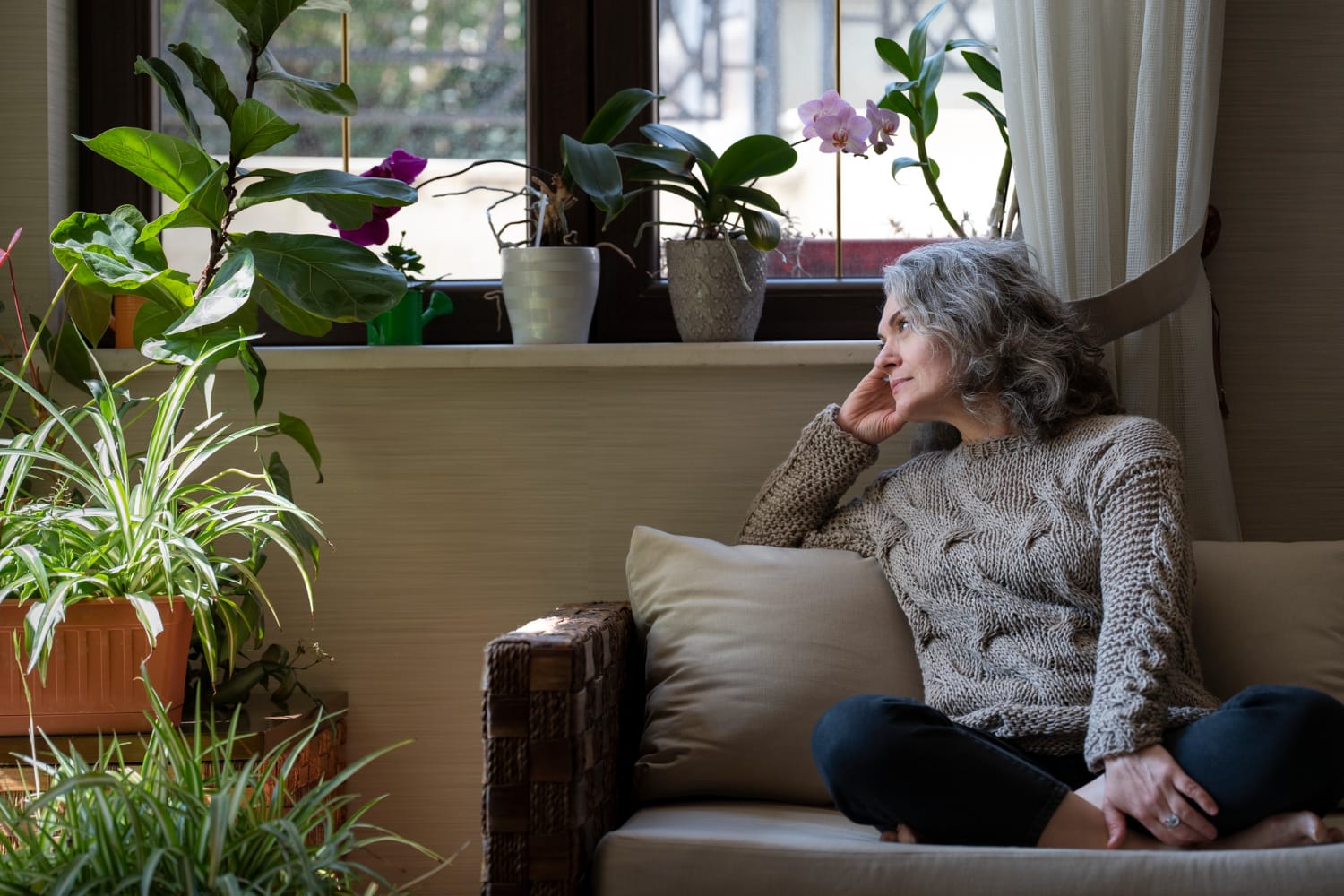


There’s a moment many adult children recognise — the phone calls get shorter, the plans your parent used to make happen less often, and when you ask how things are going, the answer is always “fine.” Social withdrawal in older adults is easy to overlook precisely because it develops so gradually. But the research is clear: social isolation in seniors is one of the most significant health risks of aging, and it’s often the most invisible.
This article covers why connection matters, what the warning signs look like, and what families can actually do about it.
Why Social Connection Is Tied to Physical and Mental Health
Social connection isn’t a nice-to-have for older adults. It’s a physiological need with measurable consequences when it goes unmet.
According to the CDC, social isolation and loneliness can increase a person’s risk for heart disease and stroke, type 2 diabetes, depression and anxiety, and earlier death.
The comparison that puts this in perspective: the U.S. Surgeon General’s 2023 advisory on loneliness noted that widespread isolation can have the same health impact as smoking 15 cigarettes a day. That’s not a rhetorical flourish — it reflects the documented physiological effects of chronic disconnection on the body’s stress systems, immune response, and cardiovascular function.
The benefits of socialization for seniors work through the same pathways in reverse. Regular social engagement reduces cortisol levels, supports immune function, and provides cognitive stimulation that maintains brain health over time.
The Hidden Risks of Loneliness in Older Adults
The most alarming consequence of loneliness in older adults is its relationship with cognitive decline.
The 2023 U.S. Surgeon General Advisory highlighted that chronic social isolation increases the risk of developing dementia by up to 50%. A nine-year Johns Hopkins study of Medicare beneficiaries found a 28% increase in the risk of incident dementia for those who were socially isolated.
“Socially isolated older adults have smaller social networks, live alone, and have limited participation in social activities,” says Dr. Alison Huang, Ph.D., M.P.H., senior research associate at the Johns Hopkins Bloomberg School of Public Health. “One possible explanation is that having fewer opportunities to socialise with others decreases cognitive engagement as well, potentially contributing to increased risk of dementia.”
Beyond dementia, poor social relationships are associated with a 29% increased risk of heart disease and a 32% increased risk of stroke. These are not marginal risks. They are comparable to well-established risk factors that medicine takes very seriously.
The added challenge is that social isolation in seniors is frequently underreported. Stigma and health disparities associated with social isolation and loneliness often prevent older adults from reporting this to family members and professionals. Your parent may be more isolated than they’re telling you.
Signs a Parent May Be More Isolated Than They Let On
Knowing the signs my parent is lonely can be harder than it sounds, because many older adults actively conceal loneliness — they don’t want to worry family, and they may not recognise it in themselves.
Watch for these patterns:
- Phone calls that used to last an hour now wrap up in ten minutes
- A parent who used to make plans now rarely does, or declines invitations consistently
- Increased focus on TV, news, or passive screen time — often a substitute for interaction
- Talking at length about very minor events, which may reflect how few meaningful interactions are happening
- Increased complaints about health without a clear medical cause — loneliness is frequently expressed somatically
- A change in sleep patterns or appetite
- Losing interest in hobbies or activities that used to be important to them
Loneliness was most commonly reported among those not working, those living alone, and those with lower household incomes. If your parent recently retired, lost a spouse, or gave up driving, their isolation risk increased significantly at that moment — and may have compounded since.
Simple Ways to Help a Parent Stay Connected From Afar
How to help an isolated elderly parent doesn’t always require being physically present — though in-person time matters most.
Structured regular contact. A weekly call at the same time is more valuable than occasional longer calls. Consistency signals reliability and gives your parent something to look forward to.
Video calls where possible. Researchers found that the use of communications technology such as telephone and email lowered the risk for social isolation. Seeing a face matters. Help your parent set up and get comfortable with video calling if they aren’t already.
Connecting them to local anchor points. Senior centres, faith communities, library programmes, and volunteer opportunities all provide structured regular contact with others. The key is finding one that matches your parent’s interests and getting them there the first time — after that, most people find their own rhythm.
Not just family calls. Encourage your parent to maintain friendships outside the family system. Peer connection — talking to someone who is navigating the same stage of life — provides something that even loving family calls don’t.
Why Community Living Naturally Counters Isolation
One of the structural advantages of a senior living community is that it makes connection the default rather than something that requires effort.
When a parent lives alone, socialisation requires planning, transportation, energy, and initiative — all of which become harder over time. In a close-knit community like The Berkeley at Short Pump, mealtimes, activities, and shared spaces create natural daily contact with familiar faces, without anyone having to organise it.
The Berkeley’s philosophy incorporates opportunities that allow residents to make meaningful contributions to each other and the community on a regular basis — which research consistently identifies as more protective than passive socialisation. Being needed, recognised, and participating actively is qualitatively different from simply being around other people.
For families considering this option, assisted living provides the social infrastructure that becomes genuinely difficult to sustain independently.
Knowing When a Parent Needs More Connection Than They’re Getting
Some questions worth sitting with:
- Has your parent’s social circle shrunk significantly in the last year or two?
- Are they having fewer meaningful conversations with people outside the immediate family?
- Have you noticed changes in their mood, cognition, or physical health that don’t have another clear explanation?
- Are they telling you they’re fine when your instinct says something is off?
If the answer to several of these is yes, it’s worth taking seriously — not as a crisis, but as something to address thoughtfully before it compounds.
A conversation with The Berkeley’s team doesn’t commit you to anything. It’s a way to understand what options exist and what a different kind of daily life might look like for your parent. Contact us to ask questions or arrange a visit at a time that works for your family.
Frequently Asked Questions
How does social isolation affect a senior’s health?
The health effects of social isolation in seniors are well-documented and significant. According to the CDC, social isolation increases the risk of heart disease, stroke, type 2 diabetes, depression, anxiety, and earlier death. The 2023 U.S. Surgeon General’s advisory identified chronic social isolation as increasing dementia risk by up to 50%. These effects operate through physiological pathways including elevated stress hormones, impaired immune function, and reduced cognitive engagement.
What are the signs that my elderly parent is lonely?
Common signs my parent is lonely include shorter or less frequent phone calls, declining social invitations, increased passive TV watching, losing interest in previous hobbies, talking at length about minor events, unexplained physical complaints, and changes in sleep or appetite. Many older adults underreport loneliness, so noticeable changes in behaviour or mood — even subtle ones — are worth paying attention to.
How can I help my parent be more socially active if they live alone?
The most effective strategies for how to help an isolated elderly parent include scheduling consistent regular contact (same time weekly), setting up video calling, connecting them to structured local programmes such as senior centres or faith communities, and encouraging peer friendships outside the family. Research from Johns Hopkins found that access to communications technology meaningfully reduced social isolation risk. For parents whose isolation has become significant, transitioning to a close-knit senior living community provides daily social connection as a built-in feature of daily life.
Sources
- CDC — Health Effects of Social Isolation and Loneliness (cdc.gov/social-connectedness/risk-factors)
- U.S. Surgeon General Advisory — Our Epidemic of Loneliness and Isolation, 2023
- Huang et al. — Social Isolation and 9-Year Dementia Risk, Journal of the American Geriatrics Society, 2023 (hopkinsmedicine.org)
- National Poll on Healthy Aging — Loneliness and Social Isolation Among US Older Adults, JAMA, 2025 (pubmed.ncbi.nlm.nih.gov/39652320)