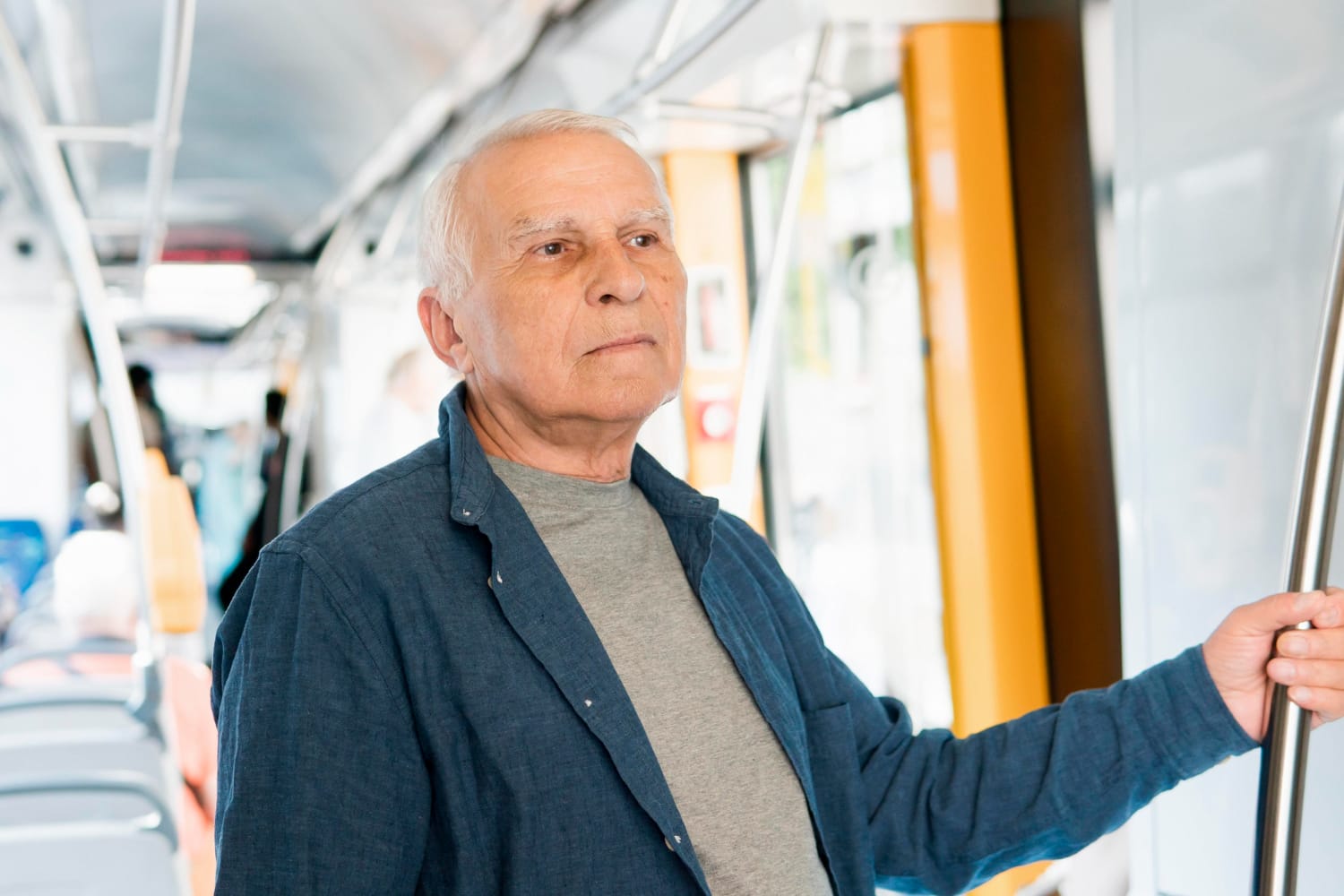
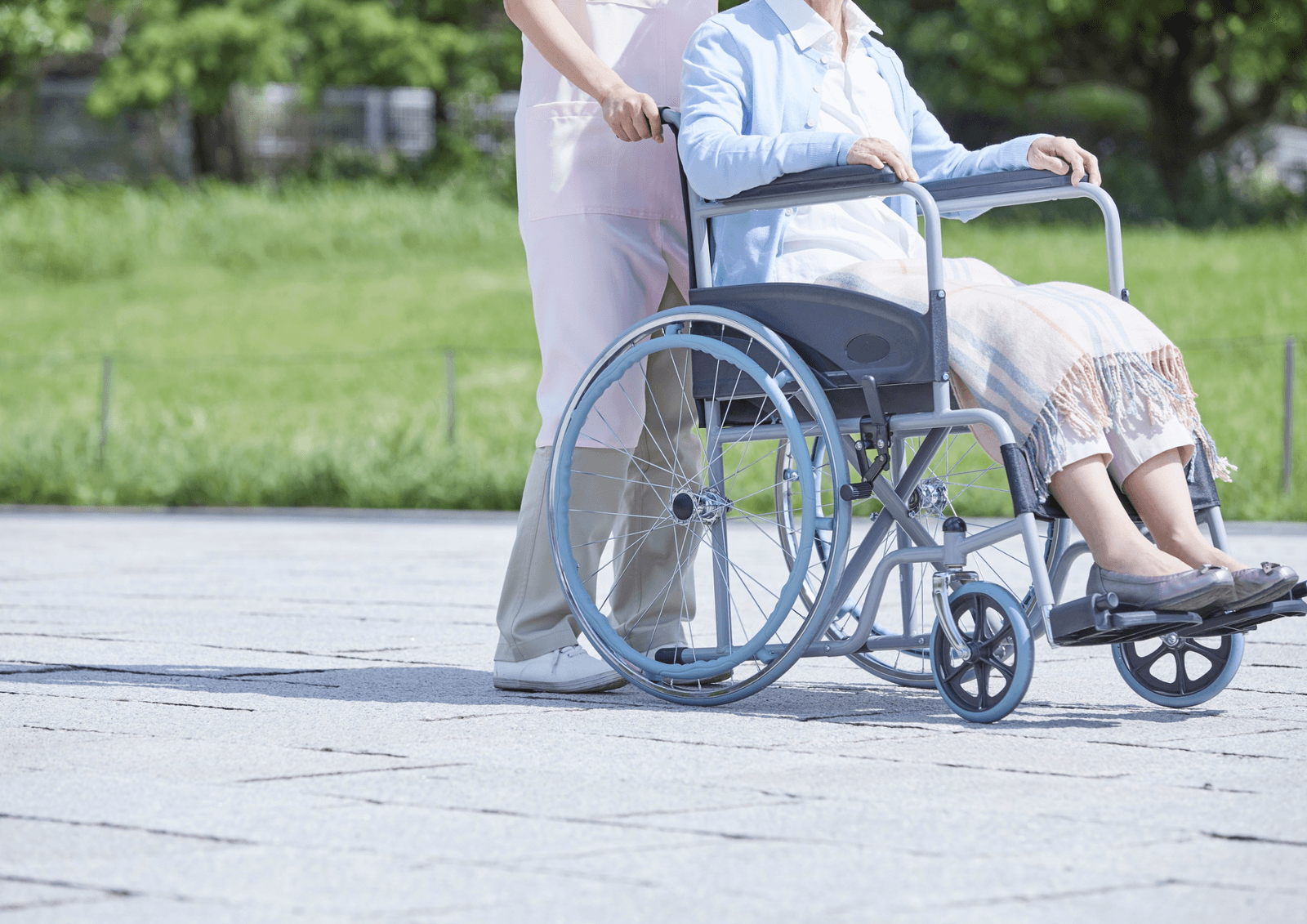

Nobody signs up for this. The role arrives in pieces. A ride to the cardiologist. Then the pill organizer. Then the 2 a.m. phone calls. Six months in, the appointment that keeps getting pushed is your own.
The strange part is how quiet it gets. Friends stop asking. Siblings check in less. Families who visit our boutique community in Short Pump describe the same slow narrowing, almost word for word.
Caregiver support groups are recurring meetings where people caring for an aging or ill family member share experiences, coping strategies, and local resources with others doing the same job. Most are free. Most are led by a trained facilitator, a social worker, or a peer caregiver. There are four reliable places to look: your local Area Agency on Aging, the hospital or clinic already treating your parent, disease-specific organizations, and online communities. Showing up once commits you to nothing.
Caregiver Support Groups Exist Because the Isolation Is Real
The role is more common than it feels from the inside. The CDC counts over 53 million unpaid caregivers supporting friends and family members who are older or living with chronic conditions, up from roughly 43.5 million in 2015. That growth is not slowing.
Isolation builds quietly. It rarely announces itself. It shows up as a canceled coffee date, then a canceled dentist visit, then a year where nobody outside the house knows what your Tuesdays look like. By the time it registers as loneliness, it has usually been there a while.
The National Institute on Aging is direct about the countermeasure. Its guidance for caregivers lists reaching out for support as a first step, specifically naming online or in-person support groups alongside counseling and respite.
One caution worth holding onto. A support group is a place to be understood, not a place to be diagnosed. If you are noticing changes in your parent that concern you, whether that is confusion, withdrawal, repeated falls, or unexplained weight loss, write the pattern down and bring it to their physician. Peers can tell you how they coped. Only a doctor can tell you what is happening.
Where to Find Caregiver Support Groups Near You
Four channels cover most of the country, and they are not interchangeable. A hospital group and a dementia caregiver support group solve different problems. Here is how they compare.
Where to look | How to reach it | Best for | Typical cost |
|---|---|---|---|
Area Agency on Aging | Eldercare Locator, 800-677-1116 | General caregiving, plus respite vouchers and benefits counseling in the same call | Free |
Hospital or clinic | Ask the social worker or discharge planner | Insurance appeals, equipment, conflicting specialist instructions | Free |
Disease-specific organization | Alzheimer's Association 24/7 helpline, 800-272-3900 | Dementia, Parkinson's, ALS, stroke, cancer, and the behaviors specific to each | Usually free |
Online community | Video groups on a fixed schedule; forums around the clock | Caregivers who cannot leave the house for ninety minutes | Free |
Area Agencies on Aging are the most underused option on that list. The federal National Family Caregiver Support Program funds states and territories to deliver caregiver services, and support groups are one of the funded categories. The Eldercare Locator routes callers to more than 600 of these agencies nationwide. In Virginia, the Department for Aging and Rehabilitative Services runs the network through 25 regional agencies, and its caregiver support page lists groups, respite, and counseling as core offerings. DARS notes that nearly one in five Virginians serves in a family caregiving role. While you have someone on the phone, ask what else they administer, which pairs usefully with figuring out what Medicare actually covers.
Hospital groups rarely advertise themselves. Neurology, oncology, and cardiac rehab departments are the most likely to host one. If your parent was hospitalized in the past year, the discharge team is the fastest route, because connecting families to community services is part of their job.
Disease-specific groups go where general groups cannot. Alzheimers.gov, the federal dementia resource, points caregivers toward NIA-funded Alzheimer's Disease Research Centers that offer support groups for families. A dementia caregiver support group will get into sundowning, repetition, and refusal of care. Those conversations often surface the same question families bring to us when they first look at memory care, which is how to tell ordinary difficulty from a level of need one household cannot meet.
Online groups are not a lesser substitute. NIA lists them on equal footing with in-person options. Video-based groups keep faces, tone, and pauses intact, which is most of what makes a group feel like a group. Forums run at 3 a.m., when everyone you know is asleep. Many caregivers use both.
What a First Meeting Actually Looks Like
Most groups follow a recognizable shape.
- Facilitator introduction. A social worker, clinician, or trained peer opens and explains the format.
- Ground rules. Confidentiality, no cross-talk, no advice-giving unless invited.
- Check-ins. Members share briefly. You will be invited, not required.
- Open discussion. Sometimes themed, sometimes wherever the room needs to go.
- Resource swapping. Often the most immediately useful part.
You are allowed to say nothing. Listening for the first session is normal and expected.
Two practical details people rarely ask about. Most groups run sixty to ninety minutes, which is the number you need when arranging coverage at home. And most meet monthly rather than weekly, so a bad first impression costs you very little time to test a second opinion against.
UCSF's Memory and Aging Center suggests one preparatory step that removes most of the anxiety: speak with the facilitator before you attend, to learn whether the group fits your situation. A five-minute phone call tells you the format, the size, and who typically comes. It also lets you say in advance that you would rather listen than share, which takes the pressure off the moment the circle turns to you.
Caregiver Burnout Is a Signal, Not a Verdict
Caregiver burnout is what happens when the load runs longer than the resources. It is not a character failure and it is not rare.
The research is honest about what groups can and cannot do. A 2026 systematic review and meta-analysis led by Dandan Xue, published in Archives of Gerontology and Geriatrics, pooled randomized controlled trials of peer support interventions for family caregivers of people with dementia. Peer support significantly reduced caregiver distress in response to behavioral symptoms, increased perceived social support, and improved health-related quality of life in the short term. It did not produce significant effects on depression, anxiety, loneliness, or overall caregiving burden, and the benefits were not sustained at follow-up.
Read that carefully, because it is useful. A group makes the job feel survivable and connects you to resources. It does not reduce the number of hours in the job. The Administration for Community Living reports that broader caregiver support services, the full package of respite, counseling, training, and groups, can reduce caregiver depression, anxiety, and stress and help families sustain home care longer.
A Scenario That Plays Out Constantly
Consider a composite case familiar across Henrico County. An adult daughter in Glen Allen manages her father's medications, meals, and three specialists. Her brother lives in Charlotte and calls on Sundays. She has not taken a full weekend off in fourteen months.
She calls the Eldercare Locator, gets routed to her regional agency, and lands in a monthly caregiver group at a community center eleven minutes from her house. She says nothing at her first meeting.
At her third, someone mentions respite vouchers she did not know existed. At her fifth, she says out loud that her father is no longer safe alone overnight. Nobody in the room argues with her. Two people describe how they navigated a move to assisted living and what they wish they had known earlier.
The group did not make the decision. It made the decision speakable.
Trying One Out Is Not a Commitment
This is the part that stops people, so it is worth stating plainly.
You are not signing up for anything. Most groups are drop-in. You are not obligated to return. You are not required to speak, share a diagnosis, or explain your family. If a group is the wrong fit, the correct response is to try a different one.
Give it more than a single visit before you decide. Trust takes a few sessions to build, and a first meeting rarely reflects what a group is like once you know the room.
Signs a group is working: you leave with one useful thing, you feel lighter rather than heavier, and you find yourself wanting to go back on the weeks you are most tired. Signs it is not: the room stays stuck in complaint with no forward movement, or the caregiving situations are so different from yours that nothing transfers.
And notice what a group starts to tell you about the underlying need. Caregivers frequently arrive looking for coping strategies and leave realizing the strategy is not the issue. When someone needs more supervision than one household can provide, assisted living stops being a last resort and becomes the practical answer.
A support group is very good at naming the weight. It is not built to carry it.
When the honest answer is that your parent needs more hands than one family can provide, that is a different conversation, and one worth having before a crisis forces it. Come find us through our contact page. We will go through your parent's actual day, what level of care matches it, and whether The Berkeley is the right fit, plainly and without a pitch.
Sources:
- https://www.cdc.gov/caregiving/php/public-health-strategy/index.html
- https://www.nia.nih.gov/health/caregiving/taking-care-yourself-tips-caregivers
- https://acl.gov/programs/support-caregivers/national-family-caregiver-support-program
- https://eldercare.acl.gov/Public/Index.aspx
- https://dars.virginia.gov/aging/caregiver-support/
- https://www.alzheimers.gov/life-with-dementia/tips-caregivers
- https://memory.ucsf.edu/caregiving-support/options/finding-support
- https://pubmed.ncbi.nlm.nih.gov/41690252/
- https://www.nia.nih.gov/health/caregiving/frequently-asked-questions-about-caregiving
Frequently Asked Questions
What is a caregiver support group?
A caregiver support group is a recurring meeting where people caring for an aging or ill family member share experiences, coping strategies, and local resources. Most caregiver support groups are free and led by a trained facilitator or peer caregiver.
How do I find a caregiver support group near me?
Call the Eldercare Locator at 800-677-1116 to reach your local Area Agency on Aging, or ask the social worker at the hospital or clinic treating your parent. Disease-specific organizations like the Alzheimer's Association also maintain group directories.
Are caregiver support groups free?
Most are, particularly those run through Area Agencies on Aging, hospital systems, and national disease organizations. Be cautious of any group charging a fee before you have attended once.
Do I have to talk at a caregiver support group?
No. You will be invited to introduce yourself and check in, but listening only is normal, especially at a first meeting.
What is the difference between a caregiver support group and therapy?
A support group offers peer connection and shared problem-solving; therapy offers clinical treatment from a licensed professional. Many caregivers use both, and the National Institute on Aging lists them as complementary.
Are online caregiver support groups as effective as in-person ones?
The National Institute on Aging lists online and in-person groups as equally valid options. Online groups remove the barrier of leaving your parent unattended, which is often the deciding factor.