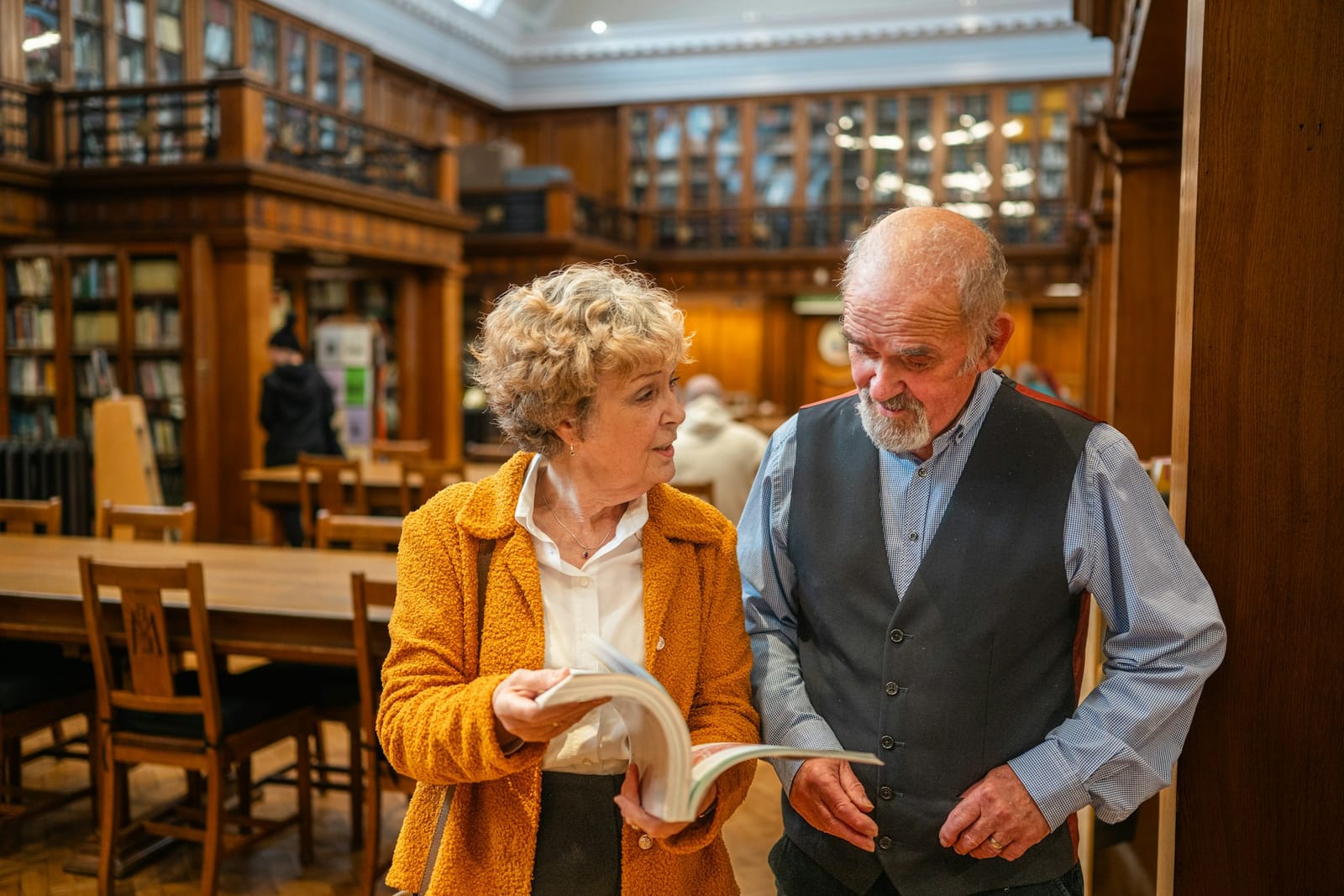

Eleanor used to say the best part of her week wasn't the book, it was knowing that every Tuesday at 10, four other people would notice if she didn't show up. She'd been part of the same library book club for six years, long enough to outlast two different meeting rooms and one member's very strong opinions about mystery novels. When her daughter worried about her spending too much time alone after her husband passed, it wasn't a support group that helped most. It was Tuesdays at 10.
That's the real appeal of a book club, and it's worth taking seriously alongside other senior activities in Richmond: it's not really about the book. It's the standing appointment, the mental workout of having an opinion and defending it, and the quiet reassurance of somewhere to be.
Why This Actually Matters, Not Just Sounds Nice
A systematic review of shared reading programs for older adults found that group reading and discussion improved self-rated health and reduced depressive symptoms across the studies reviewed, and researchers note that combining reading with social discussion engages memory, language processing, and social cognition simultaneously, doing more for the brain than reading alone in a chair.
That combination matters because isolation itself carries real health risk: the U.S. Surgeon General's 2023 advisory found that the mortality impact of being socially disconnected is comparable to smoking up to 15 cigarettes a day. A standing Tuesday morning commitment is a genuinely low-cost, low-pressure way to work against that risk, not a cure-all, but a real, evidence-backed habit.
Where to Actually Find One
Start with the public library. Henrico County Public Library runs open book discussion groups at every branch, and newcomers are always welcome, whether you come every month or just for titles that interest you. If mobility is a concern, ask about the library's large-type and audiobook collections, and whether their Mobile Library Service visits senior communities near you; many Henrico facilities already receive monthly visits bringing carts of large-print fiction and audio titles directly on-site.
Check with a senior center or Area Agency on Aging. These organizations often run their own reading groups as part of a broader activities calendar, sometimes paired with transportation for members who no longer drive.
Look into virtual options. For anyone with significant mobility limits or who's relocated away from a longtime group, online book clubs run through library systems or dedicated reading platforms let members join a real-time discussion from a tablet or laptop, no different in spirit from an in-person circle, just accessible from a favorite chair.
Ask your community directly. Many senior living communities, including ours, already run reading groups as part of regular programming, which is worth asking about before assuming you'd need to look elsewhere. For families weighing what daily life actually looks like day to day, our Henrico senior services guide rounds up several of these local options in one place.
Starting One From Scratch
If nothing nearby quite fits, starting a book club is genuinely simpler than it sounds:
- Pick a realistic size. Six to ten people is usually the sweet spot, small enough for everyone to actually talk, large enough that a few absences don't cancel the meeting.
- Choose a predictable rhythm. Same day, same time, same general location, monthly is the most common pace, since it gives everyone enough time to finish a book without losing momentum.
- Let the first book be easy. A shorter, widely available title takes pressure off that first meeting and helps the group find its footing before tackling anything more ambitious.
- Use a library resource to simplify logistics. Henrico County Public Library's "Book Club in a Bag" program provides eight copies of a chosen title for a six-week checkout, which solves the usual headache of everyone hunting down their own copy.
- Keep the discussion loose. A handful of open-ended questions, what surprised you, what would you have done differently, is usually enough; the goal is conversation, not a quiz.
The Part That Isn't Really About Reading
The cognitive engagement piece connects to broader questions families ask about staying sharp with age, including how sensory changes like hearing loss affect cognitive health over time.
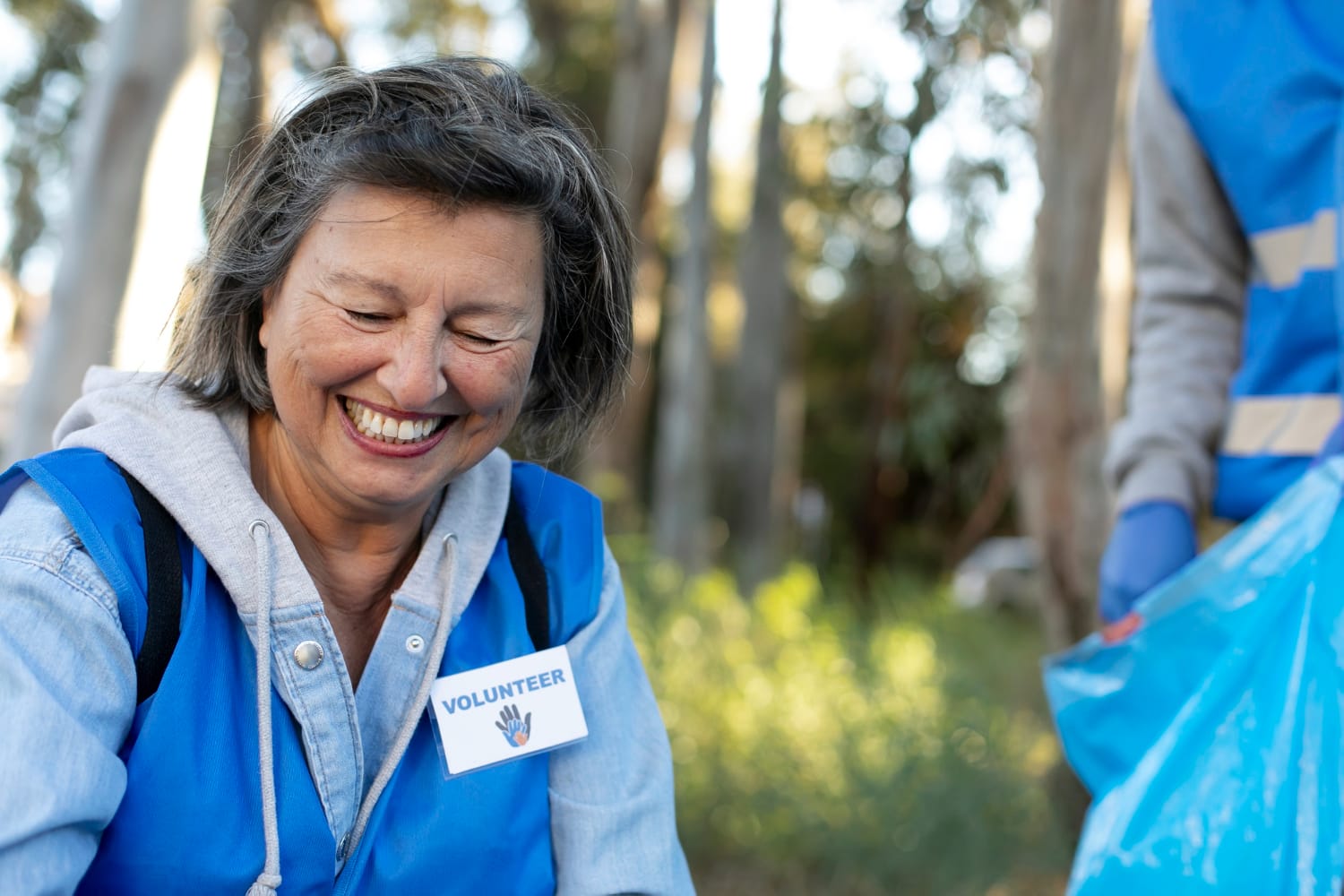
Regular, structured mental and social engagement is one of the more reliable, accessible tools available, and it pairs naturally with other purposeful activities; if a parent has also been considering volunteer work, a book club and a volunteer shift can easily sit side by side in the same week without overwhelming anyone.
Both address a version of the same need described in our piece on depression in older adults: a reliable reason to engage with other people, on a schedule that doesn't depend on someone else remembering to reach out first.
Community Life Built Around Showing Up
Purpose and connection shouldn't require a car ride and a parking spot to access. At The Berkeley, regular programming, including reading and discussion groups, is simply part of daily life, not an occasional field trip.
If you're exploring assisted living and wondering whether a move means giving up the small, sustaining routines that make a week feel worth showing up for, reach out to our team — we'd love to tell you what a Tuesday actually looks like here.
Frequently Asked Questions
Q: What if someone can no longer read due to vision loss?
A: Audiobooks work just as well for full participation in most book clubs, and many groups are used to members who listen rather than read the print edition. It's worth mentioning this openly when joining a group, since most are happy to accommodate it without making it a big deal.
Q: How long should a typical book club meeting last?
A: Most senior book clubs run 60 to 90 minutes, long enough for real discussion without becoming a marathon. Groups that run longer often build in a natural break or split time between the book discussion and general social conversation.
Q: Do book clubs only read fiction?
A: Not at all. Many groups mix in memoirs, history, and current events, and some rotate specifically between genres so the same few people aren't always picking similar books. It's worth asking a group about their typical mix before assuming it's fiction-only.
Q: Is it awkward to join a book club that's already been meeting for years?
A: Established groups are usually glad to welcome new members, and most have already absorbed several newcomers over the years without incident. Showing up once, even without having finished the current book, is often enough to find out whether the group is a good fit.
Sources
- Shared Reading Interventions to Promote Psychosocial Well-Being in Older Adults: A Systematic Review, PMC — https://pmc.ncbi.nlm.nih.gov/articles/PMC11983689/
- U.S. Department of Health and Human Services, Office of the Surgeon General, Our Epidemic of Loneliness and Isolation (2023) — https://www.hhs.gov/surgeongeneral/priorities/connection/index.html
- Henrico County Public Library, Book Discussions — https://henricolibrary.org/book-discussions
- Henrico County Public Library, Seniors — https://www.henricolibrary.org/seniors