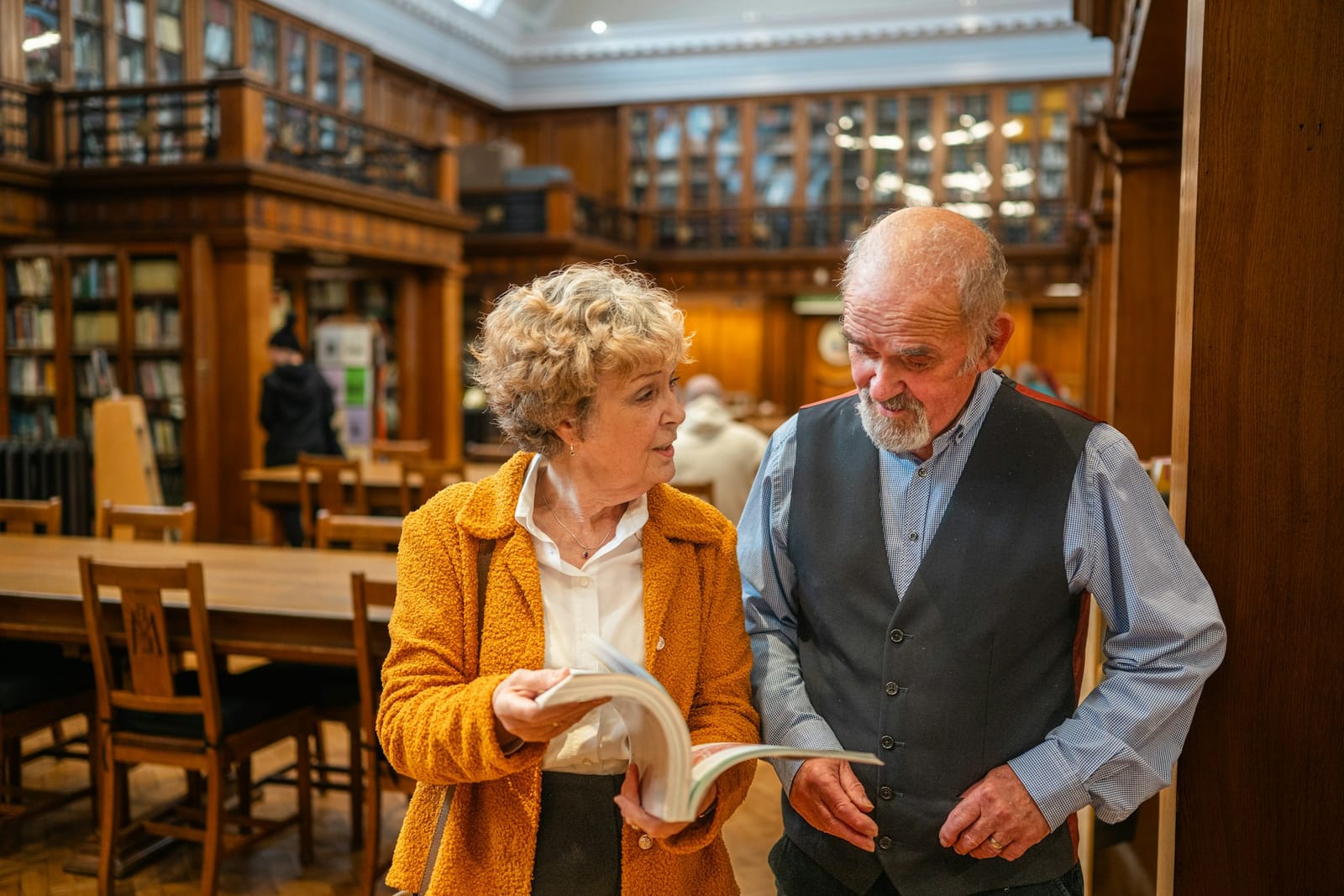
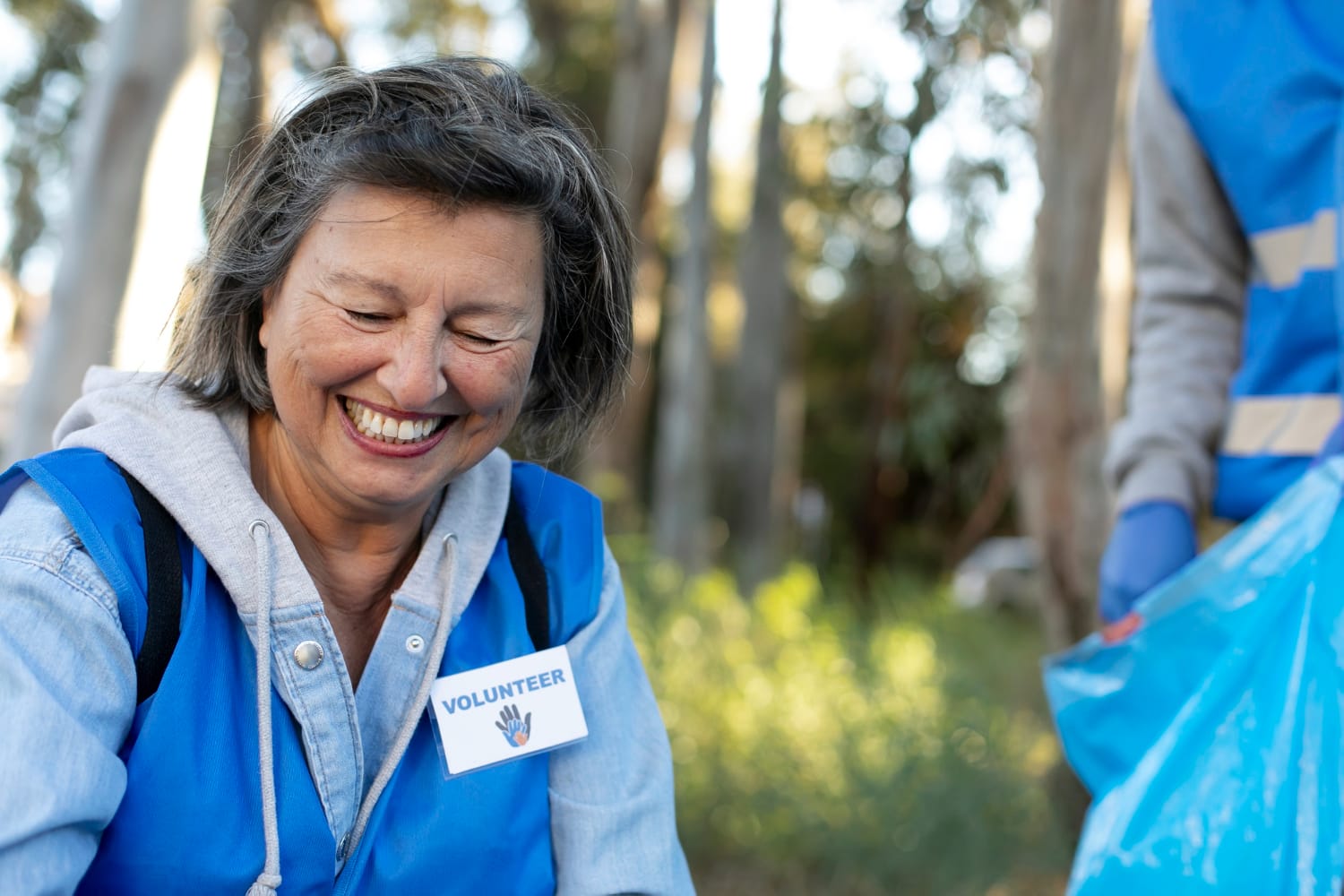

Frank retired from a 40-year career as an electrician expecting to finally enjoy some peace and quiet. Six months in, he told his daughter the quiet was the problem, not the goal. He missed being needed by 9 a.m. every day, not the schedule itself, but the specific feeling of someone counting on him. She suggested a volunteer program at the local hospital, mostly just to get him out of the house. Two years later, he's there three mornings a week, and she says he sounds more like himself than he has since he retired.
Frank's story isn't unusual, and it isn't just a nice anecdote either. It connects to something families exploring senior activities in Richmond often discover: staying engaged isn't just about filling time, it measurably affects how well someone ages.
What the Research Actually Shows
Volunteering isn't a soft, feel-good recommendation, it shows up in real health data. Stanford's Center on Longevity reports that older adults who volunteer have lower rates of hypertension and depression, delayed physical disability, better cognition, and greater life satisfaction compared to peers who don't.
A large longitudinal study using the Health and Retirement Study, following nearly 13,000 adults over 50, found that volunteering about 100 hours a year, roughly two hours a week, was associated with a reduced risk of mortality and physical functioning limitations, along with higher optimism and a stronger sense of purpose.
Research in this area is still developing, and volunteering isn't a cure for every health condition, but the pattern connecting regular, meaningful engagement to better mental health and longevity is genuinely well established, not just intuitive.
Roles for a Wide Range of Physical Ability
Volunteering doesn't require standing on your feet for six hours. Options generally fall into a few categories:
- Active, hands-on roles: hospital greeters, meal delivery drivers, event setup, gardening or park cleanup crews.
- Mentoring and tutoring: reading with elementary students, tutoring through a local literacy program, or serving as a Foster Grandparent to a child with exceptional needs.
- Companion-based roles: the AmeriCorps Seniors Companion Program pairs volunteers with other older adults who need help with daily tasks, which keeps both people connected and often gives family caregivers a bit of respite too.
- Seated or low-mobility roles: hospital information desks, administrative and clerical support, phone-based reassurance calls to isolated seniors, or knitting and craft projects donated to shelters and NICUs.
- Remote options: virtual tutoring, phone-based mentoring, and note-writing campaigns for hospitalized veterans or homebound seniors, all doable without leaving home.
AmeriCorps Seniors, the umbrella for the RSVP, Foster Grandparent, and Senior Companion programs, reports that 84% of its volunteers report stable or improving health after one year of service, and 88% of those who initially felt isolated reported fewer feelings of loneliness after becoming active volunteers.
Where to Actually Find These Opportunities
Knowing volunteering helps is one thing; finding an actual open role is usually where people get stuck. A few concrete starting points:
- HandsOn Greater Richmond matches volunteers with local nonprofits across dozens of causes and skill levels, and is a good first stop if you're not sure what you're looking for yet.
- AmeriCorps Seniors' Pathfinder tool searches RSVP, Foster Grandparent, and Senior Companion openings by zip code for anyone 55 and older.
- Local hospital volunteer programs are consistently looking for help. HCA Virginia's Henrico Doctors' campuses, for example, ask for a one-year commitment at around four hours a week for adult volunteers, covering everything from information desks to NICU cuddling shifts.
- VCU Health Volunteer Services offers similar inpatient, outpatient, and clerical roles at VCU Medical Center downtown.
If you're helping a parent explore this, our Henrico County senior services guide rounds up local organizations worth calling directly, since availability changes more often than most volunteer listings get updated online.
Why Purpose Matters More Than People Expect
Loneliness and a loss of purpose are consistently tied to worse outcomes in depression among older adults, and volunteering is one of the more reliable, low-cost ways to address both at once, not by prescription, but by giving someone a reason to show up.
That's especially true during darker months; the same structure that helps counter seasonal mood changes works just as well against everyday isolation, because a standing weekly commitment doesn't depend on motivation showing up on its own.
A Community Built Around Staying Genuinely Engaged
Purpose doesn't retire just because someone moves. The Berkeley builds meaningful engagement and connection into daily life, not as an afterthought, but as a genuine part of what quality of life means in later years, the same research-backed thinking that shapes how we think about care more broadly.
If your family is exploring assisted living and wondering whether a move means giving up the things that keep a parent feeling useful and connected, talk with our team — it usually means the opposite, and we're glad to show you what that looks like here.
Frequently Asked Questions
Q: Is there an age limit for most senior volunteer programs?
A: Most programs set a minimum age around 55 rather than a maximum, and many organizations specifically welcome volunteers well into their 80s and 90s, adjusting roles to match ability rather than turning people away based on age alone.
Q: Do volunteer programs for seniors ever pay a stipend?
A: Some do. The Foster Grandparent Program, for example, offers a modest tax-free hourly stipend to volunteers who meet certain income guidelines, along with meal and transportation reimbursement, though most senior volunteer roles are unpaid.
Q: What if a parent has dementia but still wants to feel useful?
A: Some organizations offer structured, simplified volunteer roles designed for people with mild cognitive changes, such as folding tasks, simple assembly projects, or supervised companion visits, though this varies significantly by organization and stage of dementia, so it's worth calling ahead and describing the specific situation honestly.
Q: Is volunteering covered by liability or accident insurance?
A: Many formal programs, including AmeriCorps Seniors and most hospital volunteer programs, provide accident and liability insurance while volunteers are on duty, which is worth confirming directly with any organization before starting, especially for physically active roles.
Sources
- Stanford Center on Longevity, Engaging in Volunteerism May Hold Significant Health Benefits — https://longevity.stanford.edu/engaging-in-volunteerism-may-hold-significant-health-benefits/
- Han, S.H. et al., Volunteering and Subsequent Health and Well-Being in Older Adults: An Outcome-Wide Longitudinal Approach, American Journal of Preventive Medicine — https://www.ajpmonline.org/article/S0749-3797(20)30138-0/abstract
- AmeriCorps Seniors, Foster Grandparent Program overview and volunteer outcomes — https://www.americorps.gov/serve/americorps-seniors/americorps-seniors-foster-grandparent-program
- HCA Virginia, Henrico Doctors' Hospital Volunteer Opportunities — https://www.hcavirginia.com/locations/retreat-doctors-hospital/for-visitors/volunteers